

Growth models & tactics
Once you’ve proven product-market fit (PMF), identified the potential of PLG/PLS/SLG growth motions, and established a foundation for scaling your product, it’s a great time to experiment with the different growth models and tactics such as freemium, reverse trials, interactive demos, and when to use gated vs ungated approaches. When it comes to freemium, interactive…


Product-led Sales (PLS)
As your product moves upmarket from individual users to SMBs and enterprise accounts, it becomes more important to have a product-led sales (PLS) approach where product insights feed into Sales and Marketing to help more quickly and effectively identify and convert product-qualified accounts (PQAs). PLS is essentially a way to qualify the pipeline of accounts…

PLG success moments
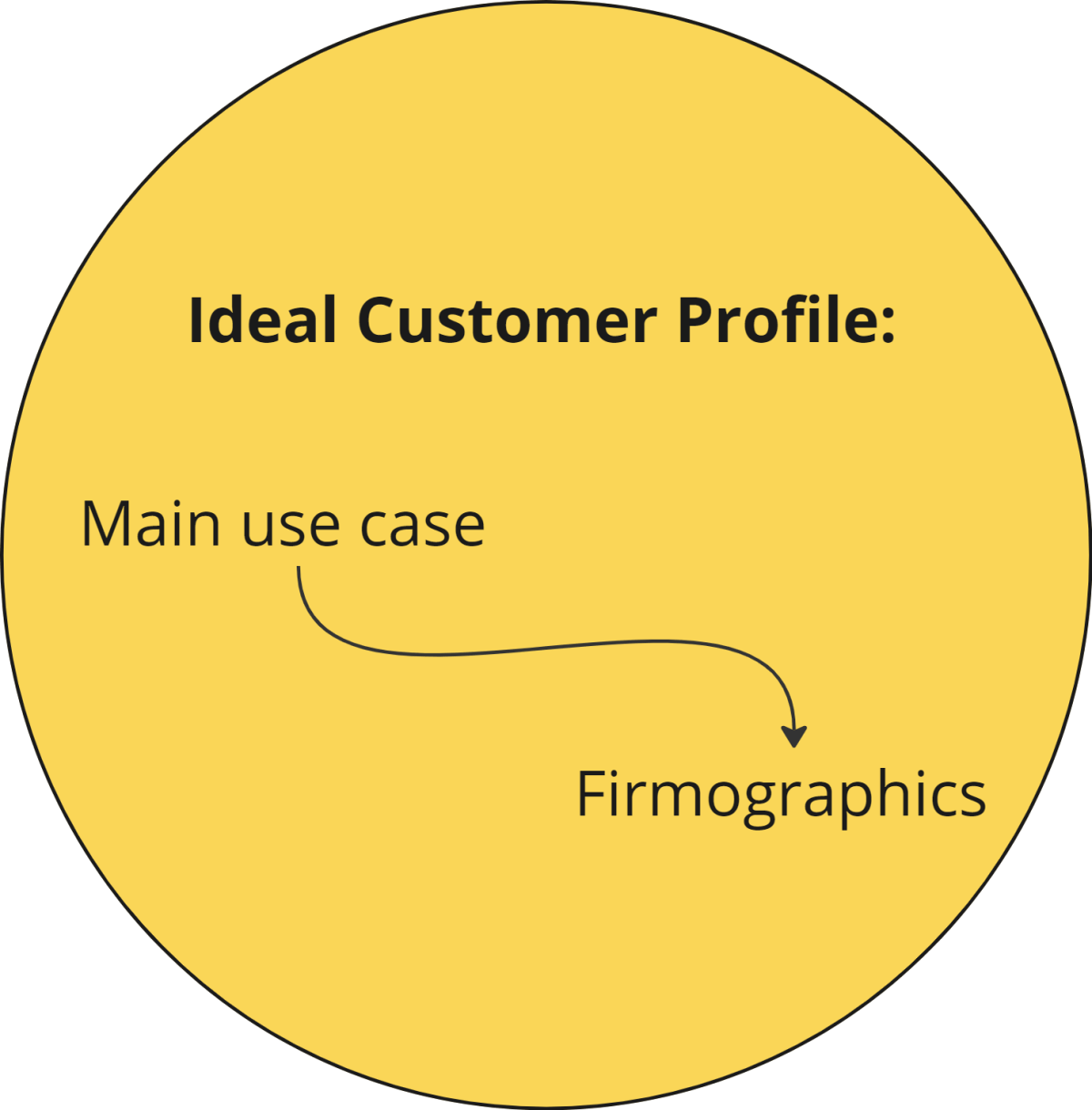
Once you’ve completed the first step in introducing a PLG motion for a downmarket product category, identify the success moments for the primary ICPs. This step is key to better understanding and refining your ICPs and cohorts based on their product usage behaviors. PLG motions aren’t just about acquiring more customers; they’re also about defending…
PLG Introduction and ICPs
Introduction The following series of blog posts summarizes PLG (product-led growth) and PLS (product-led sales) motions — what they are, how to initiate them, and what to avoid. What PLG? Product-led growth is a method that relies on customer acquisition, conversion, retention, and expansion through the experience they have when using your product/service. In short,…

GTM Strategy & Growth Loops
A go-to-market (GTM) strategy is a subset of a product strategy and is a set of decisions that allows the organization to gain a competitive edge in taking the product or service to market. These decisions include pricing, sales, cohort analysis, distribution channels, customer journey, (re)branding, and positioning. The set of choices an organization makes…

Coaching Arc
The coaching arc is a list of steps a business coach should consider at every stage of their engagement. For the sake of simplicity, let’s suppose that you’re working as a coach at the domain/business unit level of the organization. Let’s break each one of the steps down. 1. Contracting/coaching agreements Contracting, or drafting coaching…

Ingredients of a Successful Product
This post aims to provide guidance and establish a mental model for building products and services, that any organization can take and use while tackling some challenges such as a slow decision-making process, lack of knowledge across different product roles in the organization, lack of alignment and autonomy, and output-driven approaches. The aim of the…
Discovery and Delivery
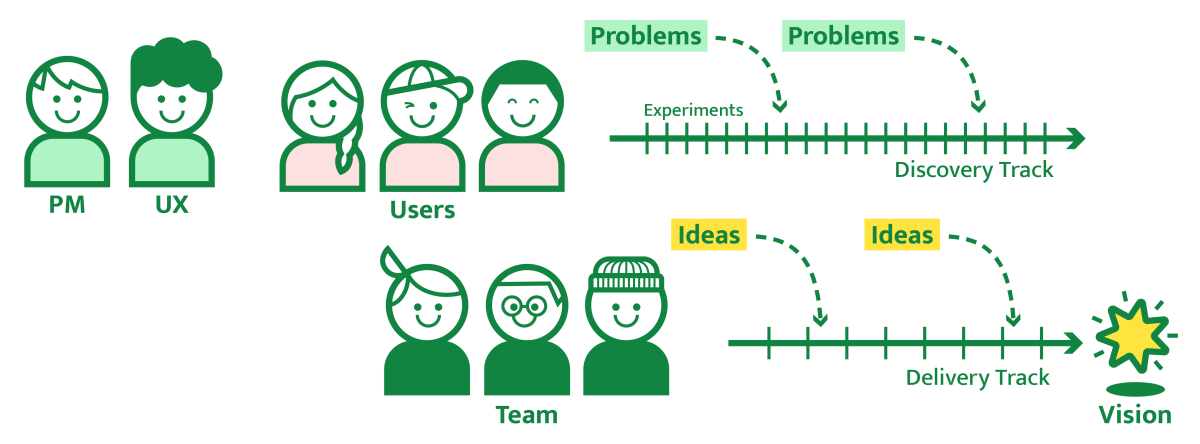
The day-to-day hands on work for organizations, especially ones that operate in the tech space, involves product discovery and product delivery. Before jumping into what that means, let’s explore the team types commonly seen in organizations. Most organizations consist of three main team types: In delivery teams, the product manager is the backlog admin for…

Measurable Goals
Setting measurable goals helps execute your product strategy. The most effective goals are crafted as internal or external customer outcomes (defined as a change in customer behavior). This allows you to shift your measure of success from delivering output to improving your customer’s life – a small but critical point. In other words, what can…

Product strategy
A product strategy is a set of decisions and choices that individuals and teams have to make in order to achieve their product vision and mission. That product vision, in turn, should help achieve an aspect of the business strategy. While a business strategy should detail how the organization will succeed, a product strategy should…

Business strategy
A business strategy is a set of choices that will help people answer the questions, “How will we compete?” and “How will we achieve our organization’s mission?”. Richard Rumelt, in Good Strategy, Bad Strategy, defines a good business strategy as one that helps with: Michael Porter also details the questions that a good business strategy…

The customers
The purpose of a product or service is to act as a vehicle to deliver value to your customers and make their lives easier and/or better in some way. As covered in the vision blog post, The starting point of any product or service should be the gaps in society and the pain points that…

The Market
In simplest terms, the market is everything outside an organization. Think of a farmers’ market that consists of sellers and buyers who come to exchange money, time, goods, and services. In a farmers’ market that specifically caters to vegan customers, it probably doesn’t make much sense for a butcher to set up a booth and…

Product mission
Imagine a battlefield in the 1800s where thousands of individuals are given a mission: “Conquer/defend this land”. That mission acts as the north star of what they want to achieve so that they can devise appropriate strategies for it, such as attack the enemy from the coast, ambush them from the highlands, or defend from…

Product vision
Last week, I was invited to speak at a networking event for startup founders and enthusiasts where I was asked by a member of the audience if I had any ideas for a new startup or a business. Through our conversation, we came to the conclusion that ideas are actually not the genesis of products…

Product-centric growth
The topic of being product-led or sales-led is one that seems to have gained in importance lately for product leaders who I have recently worked with and coached. One of the challenges they face when trying to decide between product-led growth (PLG) and sales-led growth (SLG) approaches is the diverse landscape of problems and opportunities…
Product and Project Competencies and Roles
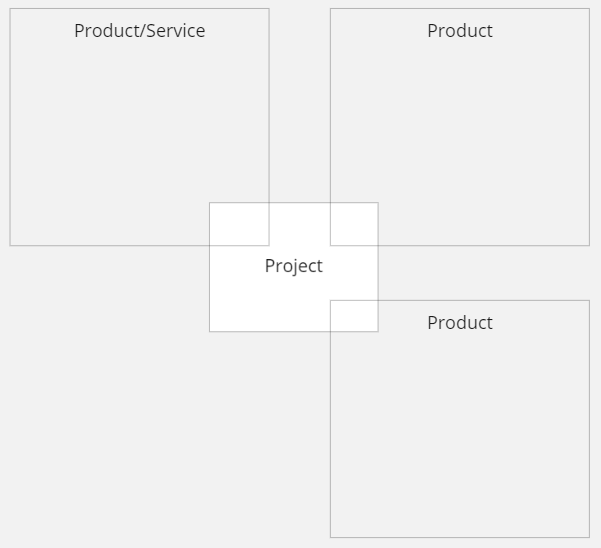
In 2011, two organizations – McKinsey and Egon Zehnder – kicked off a large-scale survey to assess the competencies of more than 5000 leaders in companies that were performing poorly and companies that were exceeding expectations. The results of the survey indicated that average organizations focused on the common approach of identifying and improving the…

The engine of agility
The following post is part three of a three-part blog post series, called From the boat of product to the sea of culture, that touches on the interconnectedness of culture, product and agility. Other parts include: Part one – The sea of culture Part two – The boat of product An agile mindset is represented…

The boat of product
The following post is part two of a three-part blog post series, called From the boat of product to the sea of culture, that touches on the interconnectedness of culture, product and agility. Other parts include: Part one – The sea of culture Part three – The engine of agility A product is a vehicle…

The sea of culture
The following post is part one of a three-part blog post series, called From the boat of product to the sea of culture, that touches on the interconnectedness of culture, product and agility. Subsequent parts include: Part two – The boat of product Part three – The engine of agility There it lies in all…

Layers of impact with KPI trees
When using a framework like OKRs, lots of teams struggle to see a direct impact of their day to day work on broader Key Results. This is especially true if the OKRs are set at a department level and the teams in those departments are given the task of coming up with outputs and activities…

Icebergs and KPIs
When setting goals, regardless of the framework or method that you use, it’s usually a good idea to throw in some sorts of measurements, metrics, and/or indicators that help guide you to your goal and give you insights about whether you’re on the right track to have an impact at the higher flight level or…
Needs-Oriented Model of Agile Coaching
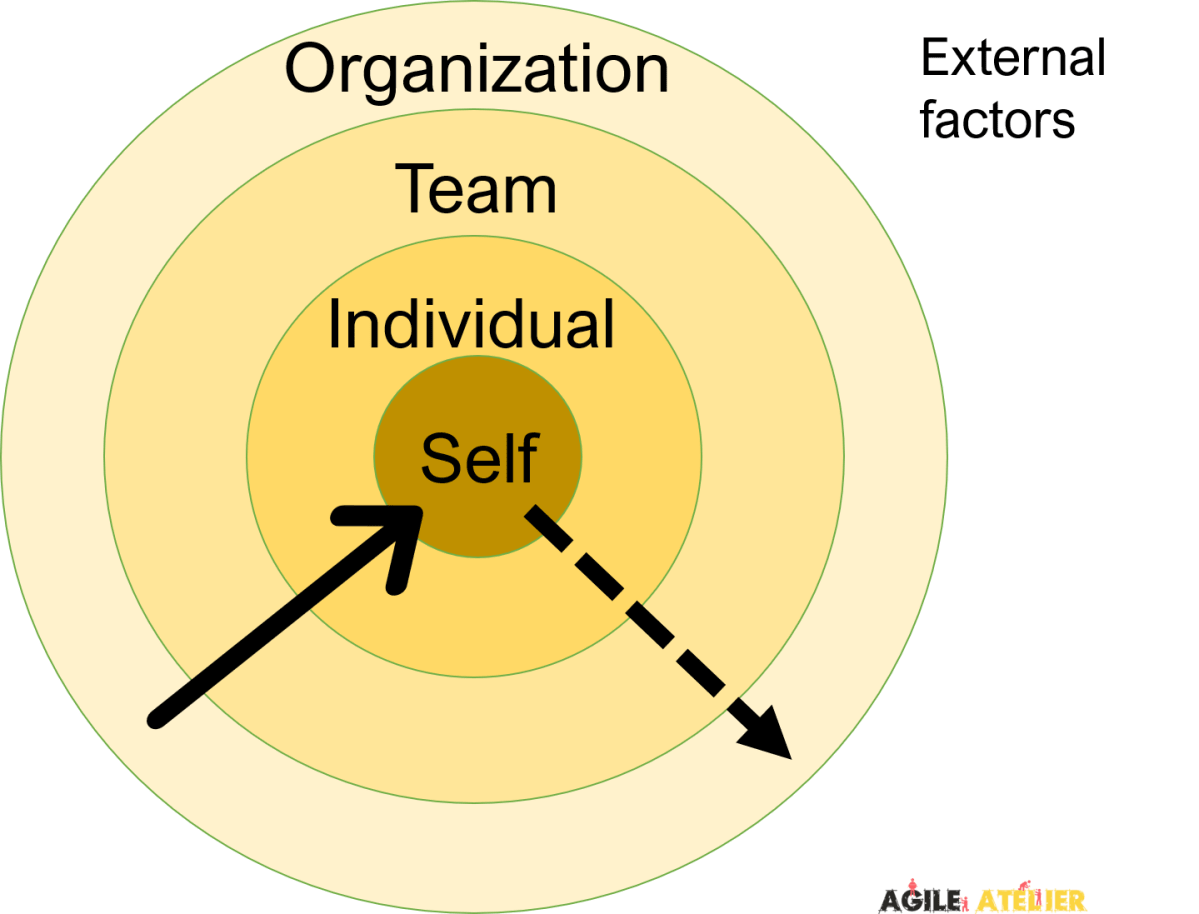
“So, what does an Agile Coach do?” Normally around this time of the year, I tend to get this question a lot while meeting up with friends and relatives around a table of plentiful food and drinks. Although this year is a bit different, the fact that I hadn’t yet come up with a satisfactory…
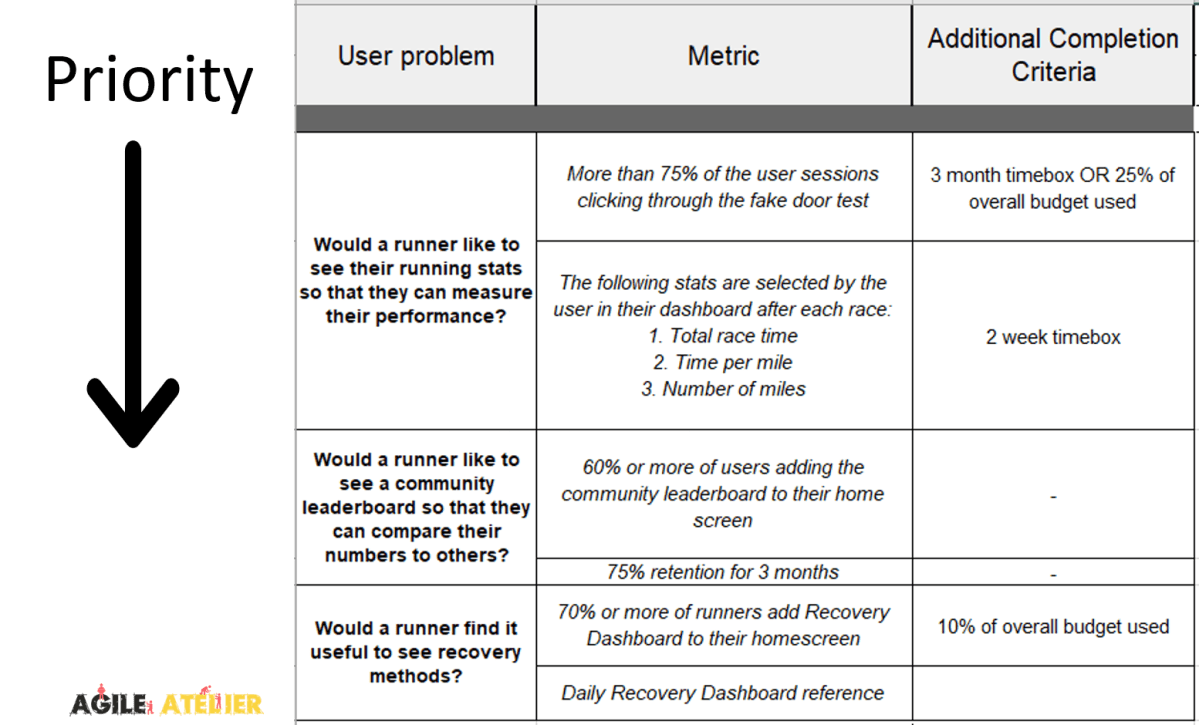
Problem-based roadmaps
Fixed-scope roadmaps are irrelevant in tech products because they try to bring certainty and predictability into an environment where the reality suggests something else. Rather than denying uncertainty, we should embrace it and adjust our planning process to reflect the reality of a complex environment that tech products exist in. Using a build-measure-learn approach, if…
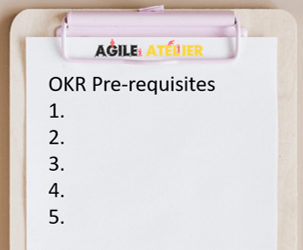
Prerequisites for introducing OKRs
It’s the end of another quarter and your department just struggled to fit the list of initiatives they would either like to do or have been asked to do by their stakeholders into the OKR (Objectives and Key Results) structure because management has noticed that companies like Google and Spotify and using it and reaping…
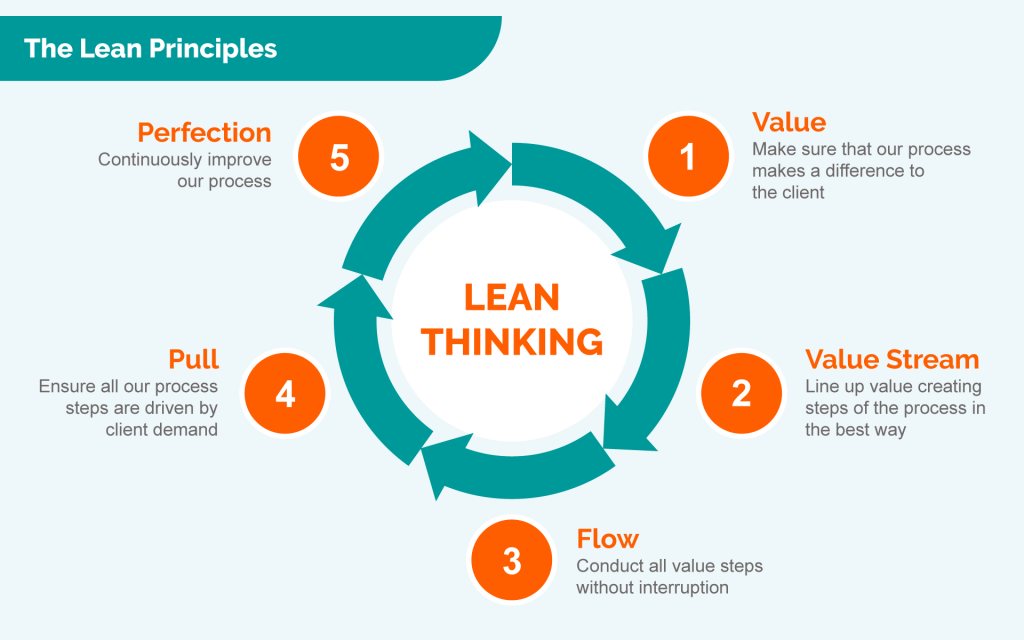
Lean delivery teams: moving beyond efficiency
Product experts, such as Marty Cagan, have talked about the benefits of having product teams. While I agree with all the benefits that a product team provides, the reality is that lots of highly scaled organizations have feature teams and delivery teams. Rather than looking down on them and dismissing their setup, I like to…
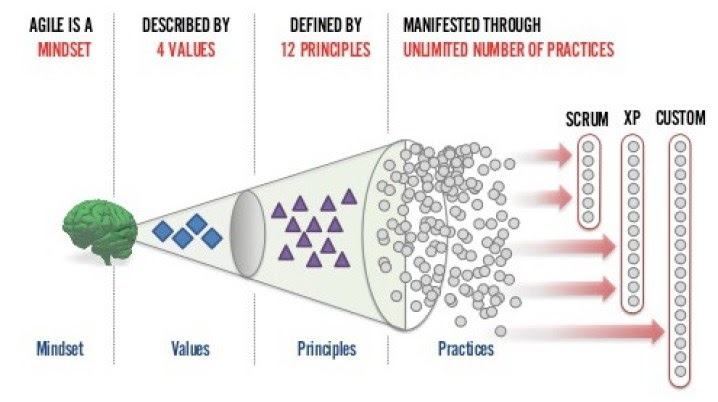
Agility in 5 minutes
When Delivery Hero’s CFO invited me to speak in his department’s all hands last week, I asked myself, “How can I explain the essence of agility in 5 minutes?” A good way to see if you’ve understood a concept is by explaining it to a child in as few words as possible. This task wasn’t…

The Value/Fidelity Matrix
After sharing my thoughts on the topic of product discovery vs delivery and how that can fit in to the greater product strategy, I’d like to share a couple of important concepts for product delivery, which I chat to Jeff Patton about during one of the episodes. If you work in tech product you’ve probably…
OKRs and Dual Track Agility
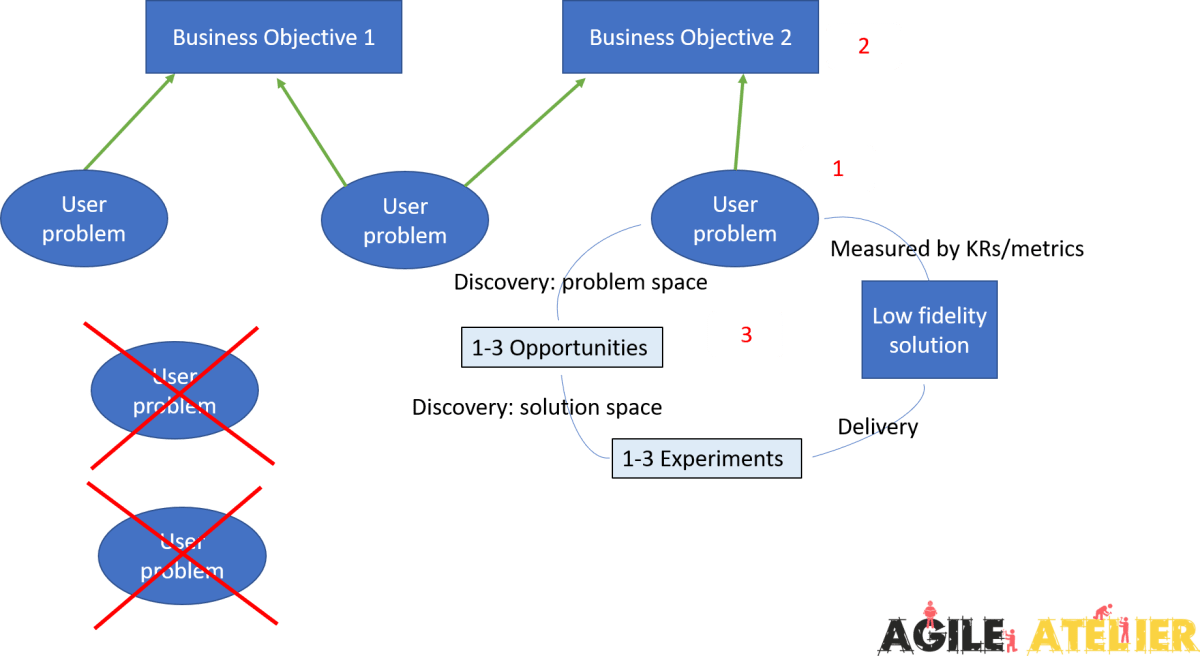
After having inspirational back and forth conversations with Marty Cagan and Tim Herbig in the past couple of weeks, my mind started dwelling on the relationship between a framework like OKR and the operational functions of Dual Track Agile – discovery and delivery. Further inspiration was drawn from Teresa Torres’ Opportunity Solution tree. The following…
 Rahul Bhattacharya